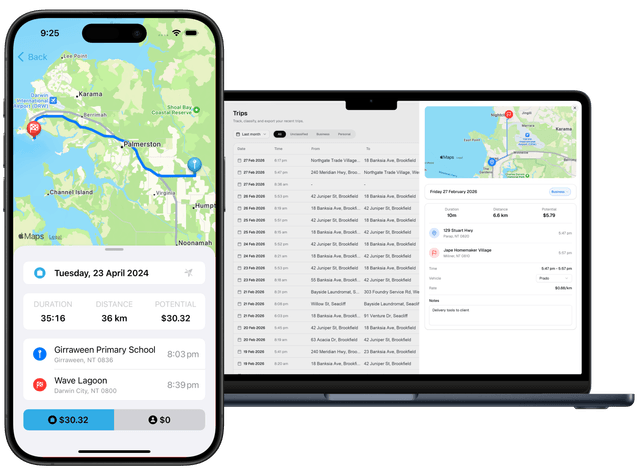
Product
Claiming Mileage on Self Assessment: UK Tax Year-End Checklist (2025/26)
February 18, 2026 • 10 min read
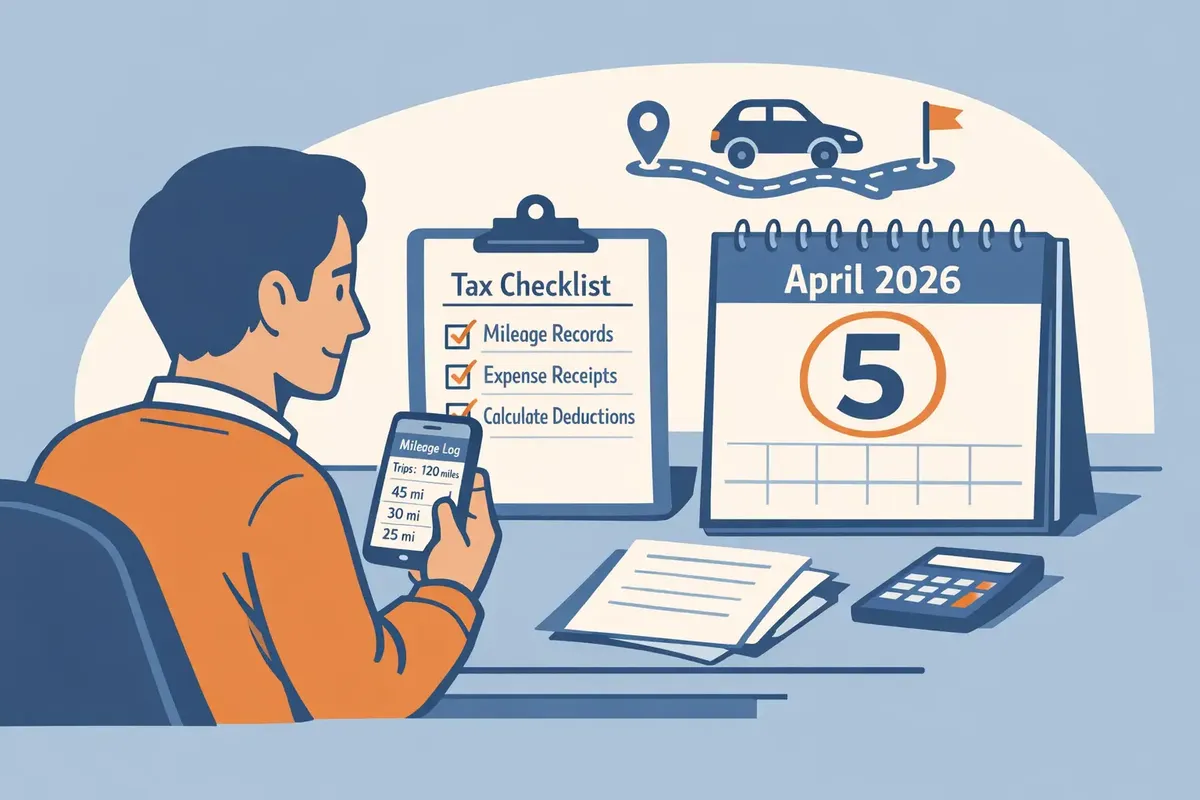
Updated March 1, 2026: this guide covers the UK 2025/26 tax year (ending April 5, 2026) and reflects HMRC’s latest 2026/27 mileage-rate publication. This is an operational checklist, not personal tax advice.
Quick Answer: Claiming Mileage on Self Assessment Before Tax Year End
If you are claiming mileage on Self Assessment, your priority before April 5, 2026 is to make your mileage records complete, accurate, and defensible.
Use this order:
- Backfill missing business trips.
- Remove personal or non-allowable travel.
- Confirm your claim method (simplified mileage rate or actual vehicle costs).
- Save evidence for business purpose.
- Export and lock your year-end mileage summary.
For the 2025/26 tax year, you can file from April 6, 2026, and the standard online filing and payment deadline is January 31, 2027.
Start cleaning up your mileage log in DriveLog.
HMRC Mileage-Rate Status for 2026/27
HMRC updated its 2026 to 2027 employer rates page on March 1, 2026.
- AMAP rates are unchanged: 45p/25p for cars and vans, 24p for motorcycles, 20p for bicycles.
- Advisory fuel/electric rates were updated separately for company-car contexts.
If you need the full breakdown and examples, see our HMRC mileage rate 2026/27 update.
Key Dates for the 2025/26 Tax Year
| Milestone | Date | Why it matters |
|---|---|---|
| Tax year ends | April 5, 2026 | Cutoff point for trips you include in 2025/26 totals |
| New filing window opens | April 6, 2026 | You can begin preparing/submitting the next return period |
| Register if newly required to file | October 5, 2026 | HMRC registration trigger date for many first-time filers |
| Online filing and payment deadline | January 31, 2027 | Main Self Assessment submit and pay deadline |
If you use payments on account, keep the July installment cycle in mind as part of cash planning.
Can You Claim Mileage on Self Assessment?
For sole traders and many partnerships, yes, but only for allowable business travel.
HMRC generally does not allow ordinary commuting (home to a permanent workplace) as business mileage. Your records should show business purpose clearly enough that each trip can be explained later.
Method choice matters
You normally use one of these approaches:
- Simplified expenses mileage rates for eligible vehicles.
- Actual costs method based on running costs, apportioned for business use.
If you use simplified mileage rates for a vehicle, you should keep that method consistently for that vehicle while you continue using it for the business.
30-Minute Tax Year-End Mileage Checklist
This is the practical workflow to run before April 5.
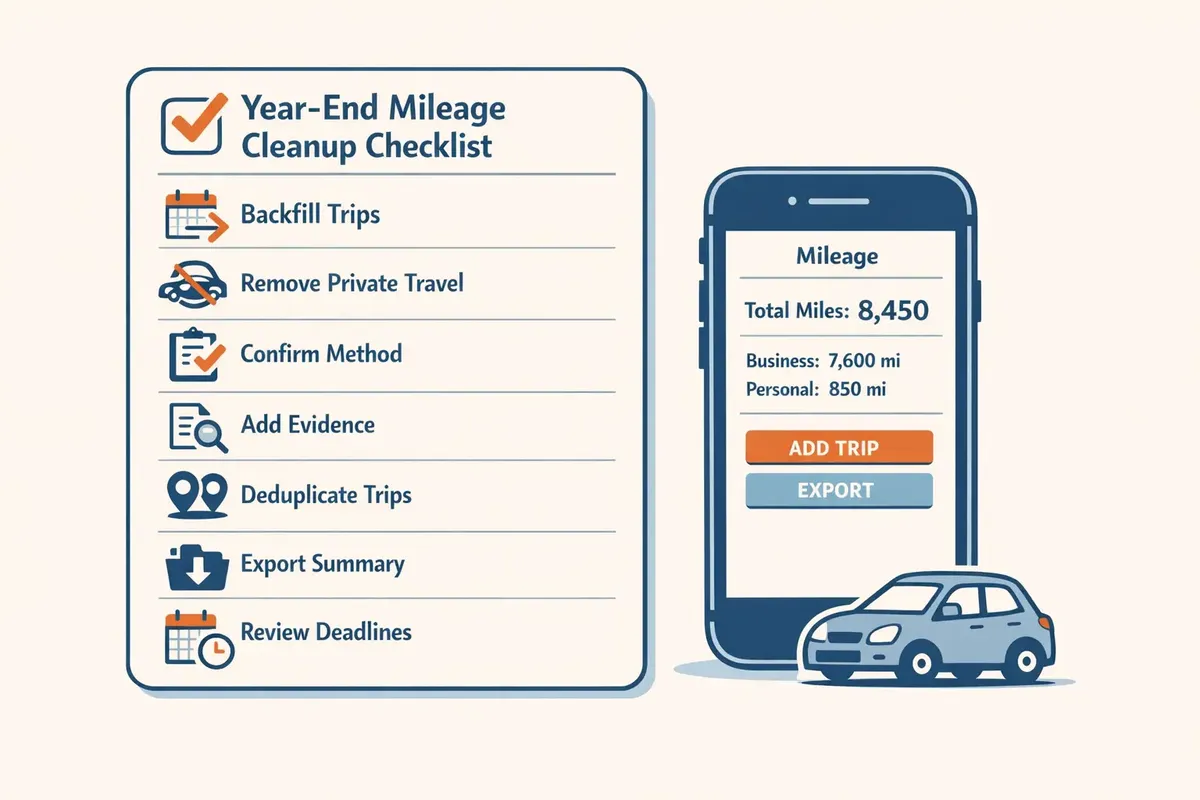
1. Backfill missing trips from your real calendar
Open your diary, job sheet, invoices, and messages for the last 60 to 90 days. Fill in missing business journeys now, while details are still clear.
For each journey capture:
- date
- start and end locations
- business purpose
- miles
2. Remove non-allowable journeys
Delete or reclassify trips that are private or not allowable business travel. This one clean-up step reduces the risk of over-claiming.
3. Standardize trip notes
Inconsistent trip notes are a common weak point during record checks. Normalize wording now, for example:
- “Client meeting - Manchester site”
- “Supplier collection - parts order”
- “Bank visit - business deposit”
Short, specific, repeatable notes are better than vague notes like “work errand”.
4. Confirm your method before you total the year
Do not mix methods casually at year-end. If this vehicle is on simplified mileage, keep it there unless you have a clear, compliant reason to change on a valid boundary.
5. Run a duplicate and outlier pass
Sort by date and distance. Look for:
- accidental duplicates
- obvious distance spikes
- wrong date year entries
- impossible same-time overlaps
6. Export your year-end summary
Produce a clean annual total plus monthly breakdown. Save it with a clear file name, for example:
mileage-summary-2025-26-exported-2026-04-03.csv
7. Save supporting evidence in one folder
Store mileage summary plus supporting docs (calendar entries, invoice references, appointment logs) in one place so you can respond quickly if HMRC asks questions.
Common Mistakes Right Before April 5
- Waiting until January to fix records from April.
- Including private travel because trip purpose was not tagged.
- Mixing mileage method and actual-cost method without clear treatment.
- Relying on memory instead of contemporaneous logs.
- Filing numbers without a retained evidence pack.
Employee vs Sole Trader: Where P87 Fits
This post is aimed at Self Assessment filers who are claiming business expenses as part of their return.
P87 is primarily an employee tax relief route for eligible job expenses. If you already complete a Self Assessment return, claims are normally handled through that return rather than as a separate P87 process.
This distinction matters because users often mix these routes when searching for mileage allowance help.
Record Retention Rule You Should Not Ignore
For self-employed records, plan to keep supporting records for at least 5 years after the January 31 submission deadline for the relevant tax year.
For the 2025/26 year filed by January 31, 2027, this generally means retaining records into 2032. Keep a clear digital folder structure now so you are not reconstructing records years later.
How This Keyword Strategy Works
This page targets the high-intent cluster around:
- claiming mileage on self assessment
- self assessment mileage allowance
- mileage allowance for self assessment
The tax-year-end checklist framing gives DriveLog a practical angle that many generic guidance pages do not provide, while still matching the search terms with real volume.
Official HMRC/GOV.UK References
- Expenses if you’re self-employed: travel
- Simplified expenses: vehicles
- Rates and thresholds for employers 2026 to 2027
- Self Assessment tax return deadlines
- Business records if you’re self-employed: how long to keep your records
- Claim tax relief for your job expenses (overview)
Turn This Into a Repeatable Monthly Routine
Do one 15-minute mileage review each month, then a final year-end sweep in late March. This keeps April cleanup small and January filing less stressful.
Track mileage on iPhone with DriveLog.
If you are also comparing simplified rates and claim methods, this companion page can help: HMRC mileage rate 2026/27 update.
FAQ: Claiming Mileage on Self Assessment
Can I claim mileage on Self Assessment as a sole trader?
Usually yes, for allowable business travel. Keep accurate records and make sure private travel is excluded.
What is the tax year-end date I should use for 2025/26?
The 2025/26 UK tax year ends on April 5, 2026.
When is the filing deadline for the 2025/26 return?
The standard online deadline is January 31, 2027, with payment due by the same date.
Do I use P87 or Self Assessment for mileage claims?
If you file Self Assessment, claims are generally made through your tax return. P87 is generally used by eligible employees claiming job expense relief outside Self Assessment.
How long should I keep mileage records?
For self-employed records, keep them for at least 5 years after the January 31 submission deadline for that tax year.
What if some trips are missing from my log?
Reconstruct them as soon as possible using calendar, invoices, and other business evidence. Mark estimates clearly where needed and avoid guessing without support.